Power Systems · Electricity Demand · Data Science

Hi, and welcome. Thank you for taking the time to visit my website.

My name is Joel Mugyenyi, and I am an energy specialist with more than seven years of experience working in the electricity sector as both a practitioner and a researcher. My work spans utility power systems and decentralized energy solutions, with a focus on expanding access to reliable and affordable electricity.

I am currently a PhD candidate in Earth and Environmental Engineering at Columbia University and a researcher with the Quadracci Sustainable Engineering Lab. My work examines how households adopt, use, and pay for electricity, and how these patterns shape power system reliability, tariff design, and electrification planning, particularly in Sub-Saharan Africa.


Using household survey data, utility billing records, and power system data, I study why electricity consumption varies widely across households, how reliability influences usage and spending, and how decentralized solar solutions such as solar home systems and mini-grids interact with grid-provided electricity. I also examine what these shifts mean for utilities, including impacts on revenue, load growth, and long-term investment decisions.

Through this work, I aim to support practical, data-driven energy solutions that expand access to clean and affordable electricity for low-income households, while helping utilities and policymakers adapt to changing demand patterns and promote the productive use of electricity as a pathway to higher and more stable household incomes.

2022 – Present
Graduate Research Assistant
Quadracci Sustainable Energy Lab
Columbia University · New York, USA
  • Developed methods to estimate demand for unelectrified households.
  • Designed and executed household surveys, including sampling strategy and field deployment.
  • Developed machine learning and econometric models for electricity consumption behavior.
  • Led workshops to train government agency teams on use and deploy energy modelling tools
2024
Energy Modelling Consultant
Equatorial Power
Kampala, Uganda
  • Designed household socio-economic and productivity survey instruments.
  • Analyzed household survey data to estimate electricity demand profiles and financial capacity.
  • Evaluated mini-grid sites by identifying viable anchor loads and productive use opportunities.
  • Refactored survey instruments to improve measurement of household socio-economic characteristics.
2024
Energy Fellow
Center on Global Energy Policy
Columbia University · New York, USA
  • Participated in interdisciplinary professional development workshops and seminars on global energy systems, decarbonization, and climate policy.
  • Engaged in networking events with energy sector leaders, policy experts, and fellows across academia, government, and industry.
  • Contributed to research discussions and roundtables on energy access, grid modernization, and clean energy transitions in emerging markets.
  • Collaborated with fellows and CGEP staff on policy briefings and knowledge-sharing initiatives.
  • Supported the planning and execution of fellow-led events promoting dialogue on just and equitable energy transitions.
2023
Grid Reliability Consultant
  • Developed a Natural Language Processing (NLP) model to analyze maintenance and incident reports, automating root-cause classification.
  • Built a detection pipeline to identify patterns indicative of electricity theft and non-technical losses.
  • Quantified the financial and operational impacts of outages using geospatial outage, consumption, and revenue data.
  • Collaborated with engineering teams to validate model outputs and improve reliability planning workflows.
2019 – 2022
Research Engineer
eGUIDE Initiative
University of Massachusetts Amherst · Amherst, USA
  • Designed APIs to distribute electricity demand forecasts and geospatial analytics to global partners.
  • Led data-access negotiations and stakeholder engagement across Sub-Saharan African utilities.
  • Designed and implemented irrigation surveys and conducted analysis for smallholder agricultural electrification.
  • Estimated electricity demand under grid and off-grid scenarios using quantitative modeling.
  • Co-led irrigation pilot deployments with governments and field teams.
2018-2019
Research & Development Associate
  • Designed and deployed smart metering strategies across mini-grid assets.
  • Evaluated cost-effectiveness and performance of emerging metering technologies.
  • Monitored smart metering platforms to ensure data quality and integration.
  • Analyzed high-resolution electricity usage to identify patterns and improve customer engagement.
  • Applied the STEMM techno-economic model to evaluate mini-grid project viability.
2017
Maintenance Engineer
Eskom Limited
Jinja, Uganda
  • Monitored the performance and operation of ten 18 MW hydroelectric turbines.
  • Performed preventive and corrective maintenance on electrical and mechanical systems.
  • Diagnosed equipment failures and coordinated timely repairs.
  • Updated SOPs, maintenance logs, and service reports to support reliability-centered maintenance.
  • Supported major equipment overhauls and plant safety audits.

Academic Degrees

2022 – 2026*
Ph.D., Earth & Environmental Engineering
Columbia University
New York, USA
Thesis: Building Affordable Energy Systems in Low-Income Communities
2017 – 2019
M.Sc., Electrical & Computer Engineering
Carnegie Mellon University
Pittsburgh, USA
Concentrations: Data Science; Decentralized Energy Systems
2012 – 2016
B.Sc., Electrical Engineering
Makerere University
Kampala, Uganda
Specializations: Power Systems; Electric Machines; Protection

* Expected completion

Teaching Experience

Fall 2024
Teaching Assistant – Solid & Hazardous Waste Management
Columbia University
New York, USA
Fall 2018
Teaching Assistant – Photovoltaic Systems Engineering
Carnegie Mellon University
Pittsburgh, USA
Spring 2018
Teaching Assistant – Software Defined Radios
Carnegie Mellon University
Pittsburgh, USA

Skills

Programming
Python, R, Java, SQL, LaTeX
Databases
MySQL, PostgreSQL, SQLite
Remote Sensing
QGIS, ArcGIS, ENVI
Cloud Computing
AWS (Lambda, EC2, S3, API Gateway)
Power Systems
DIGSILENT PowerFactory, HOMER
Methods
Causal inference, regression analysis, panel data methods, machine learning
Professional
Technical writing, teaching, stakeholder engagement, research communication

Journal Articles

2026
Joel Mugyenyi, Vijay Modi
Energy for Sustainable Development
Accurately measuring how much households spend on electricity is important for understanding energy poverty and designing fair subsidies. Using data from 650 households in Rwanda, this study compares survey-reported electricity spending with actual utility billing records. We find that poorer households often report higher spending than they truly have, mainly because prepaid electricity is bought irregularly and is hard to recall accurately in surveys. By adjusting survey responses using utility data on how often households buy electricity, we obtain more realistic estimates. Applying the same approach to Uganda, we find that most households spend about 0.5% to 2.5% of their total budget on electricity, across all income levels. These results show that surveys alone can be misleading in prepaid electricity systems, and that combining them with utility data leads to better, more policy-relevant measures of electricity affordability.
2025
Lise Masselus, Jörg Ankel-Peters, Gabriel Gonzalez Sutil, Vijay Modi, Joel Mugyenyi, Anicet Munyehirwe, Nathan Williams, Maximiliane Sievert
Nature Communications
Extending the electricity grid to rural areas is a major policy goal in Sub-Saharan Africa, but simply bringing the grid closer does not guarantee that people will connect or use electricity. This study looks at rural communities in Rwanda that were connected to the grid up to ten years ago to see what happened over time. The findings show that almost half of households in these communities still do not have electricity. Even among homes located directly under power lines, fewer than 8 in 10 are connected. For households that do connect, electricity use remains very low, and ownership of electrical appliances has not increased over the years. These results suggest that rural grid expansion often delivers limited economic benefits and may not be cost-effective. Instead, the strongest argument for extending the grid may be fairness and equal access to services, rather than expectations of rapid economic growth.
2025
Joel Mugyenyi, Gabriel Gonzalez Sutil, Vijay Modi
Energy Economics
This study looks at how reliable electricity supply affects what appliances households own and how much electricity they use in Rwanda. It finds that unreliable power does not greatly change the number of appliances households own, but it does affect which appliances they choose. When power outages are frequent, low-income households are less likely to own entertainment devices like TVs and decoders. Higher-income households, on the other hand, tend to avoid buying expensive, electricity-hungry appliances such as fridges and electric cookers when power supply is unreliable. The study also shows that improving electricity reliability could lead wealthier households to use more electricity. However, for poorer households, reliability alone is not enough; high costs and low incomes remain major barriers to owning appliances and using more electricity. Overall, the findings suggest that better power reliability helps, but improving affordability is just as important, especially for low-income households.
2025
Joel Mugyenyi, Bob Muhwezi, Simone Fobi, Civian Massa, Jay Taneja, Nathaniel J. Williams, Vijay Modi
Energy Policy
While many African countries have connected more households to electricity, much less is known about how much electricity people actually use after they are connected. This study looks at electricity use and affordability among newly connected households in Rwanda using data from the national power utility. The results show that newly connected households, especially in rural areas, use very little electricity compared to households that have been connected for longer, mostly in urban areas. In fact, households connected more recently use even less electricity than those connected earlier. Overall electricity demand is growing mainly because more people are being connected, not because existing users are consuming more power. The study also finds that lowering electricity prices does not lead low-usage households to use much more electricity, suggesting that cost alone is not the main barrier. These findings indicate that simply expanding connections or adjusting tariffs is not enough. Targeted support such as improving incomes, access to appliances, or service quality is needed to help low-income households make better use of electricity after they are connected.

Conference Proceedings

2025
Joel Mugyenyi, Hannington Natuhweera, Vijay Modi
Africa Electricity Symposium (2025)
This study looks at how rural and peri-urban households in Uganda use and buy electricity, based on data from more than 150,000 household electricity accounts. It finds that most households use very little electricity, with the typical household consuming about 20 kilowatt-hours per month. Many low-income households do not buy electricity regularly and may only purchase it in a few months of the year. Electricity use and purchasing patterns change with the seasons and were strongly affected by the COVID-19 lockdown, especially for poorer households. The study also shows that the lifeline tariff, which is meant to support low-income users, often benefits better-off households who buy electricity more regularly. Poorer households frequently miss out on the subsidy because they purchase electricity irregularly or in large, infrequent amounts. By grouping households based on their usage over time, the study identifies different patterns of electricity consumption that are closely linked to location and household spending levels. Overall, the findings suggest that electricity policies and subsidies need to better reflect how often and when households actually buy electricity in order to reach those who need support the most.
2024
Joel Mugyenyi, Isaac V. Kinhonhi, Vijay Modi
IEEE PES/IAS PowerAfrica (2024)
Uganda's unreliable electricity grid is a significant hurdle to its development. This paper analyzes the country's electricity situation using data from the national electricity regulator, focusing on Umeme, which supplies electricity to over 90% of the country. Our study reveals that while the median outage duration has decreased in all regions, the frequency of the outages has remained largely unchanged, except in Kampala West. Outages are now more frequent during the day rather than the evening peak demand hours, suggesting that supply constraints are not the primary cause of these outages. We identified failure of overhead equipment accessories as the most common cause of outages, with vandalism-related outages taking the longest to resolve. Additionally, our analysis reveals a connection between rainfall and increased outage intensity, underscoring the electricity grid's vulnerability to climate conditions.
2024
Joel Mugyenyi, Isaac V. Kinhonhi, Vijay Modi
IEEE Global Humanitarian Technology Conference (GHTC)
This study examines the main reasons for power outages in Uganda using detailed data collected by the national electricity regulator between 2015 and 2022. Each outage record includes a description of what went wrong, which the researchers analyzed using computer tools to group outages by cause. The results show that equipment failures are the most common reason for power cuts, highlighting the need for better maintenance of the electricity system. The study also finds that outages caused by vandalism and fires usually take much longer to fix than other types, meaning they have a bigger impact on households and businesses. Overall, the research helps identify where improvements are most needed and shows how better data analysis can support policymakers and utilities in making the power grid more reliable.
2022
Simone Fobi, Joel Mugyenyi, Nathaniel J. Williams, Vijay Modi, Jay Taneja
IEEE/CVF Winter Conference on Applications of Computer Vision (WACV), 2022
In low-income countries, electricity utilities need to know how much power a household is likely to use before connecting it, but this is very hard when many homes are not yet electrified. Electricity use can vary widely, from very small amounts to much higher levels, and connecting mostly low-usage customers can strain limited resources. This study uses satellite images and electricity bills from about 20,000 households in Kenya to predict how much electricity individual buildings are likely to use once connected. By combining detailed satellite imagery with advanced computer models, the study shows that it is possible to make reasonably accurate predictions at the level of individual buildings. These predictions are already helping utilities plan where to expand the grid more efficiently, and the approach could be used in other countries as well.
2021
Joel Mugyenyi, Edwin Mugume, Nathaniel J. Williams, Jeff Kimani, Kieran Campbell, Ekemezie Uche, Jane Dougherty
IEEE PES/IAS PowerAfrica (2021)
Mini grids are essential in the effort to achieve universal electrification across the developing world. In Africa, there are currently a number of energy service companies running mini grids across several countries on the continent. This creates a management challenge with many of these mini grids located in rural and hard to reach areas. As such, mini grid operators need to devise ways to monitor and track operations on each mini grid in a cost effective manner. One of the most effective ways of doing this is the use of smart meters. In this paper, we will compare the different smart metering technologies available to mini grid operators and show how each helps a mini grid operator to effectively monitor and manage a mini grid site remotely.

About Me

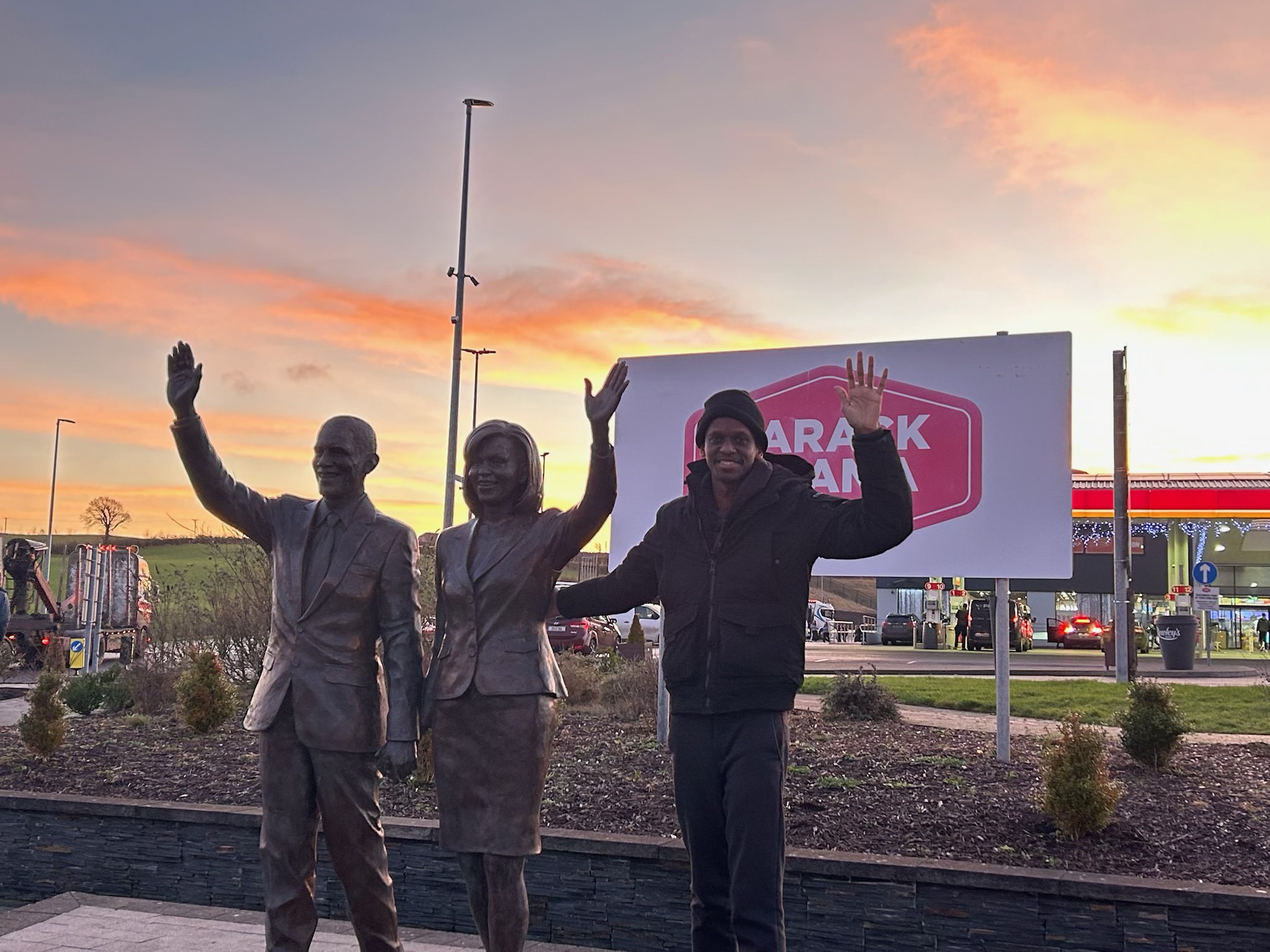
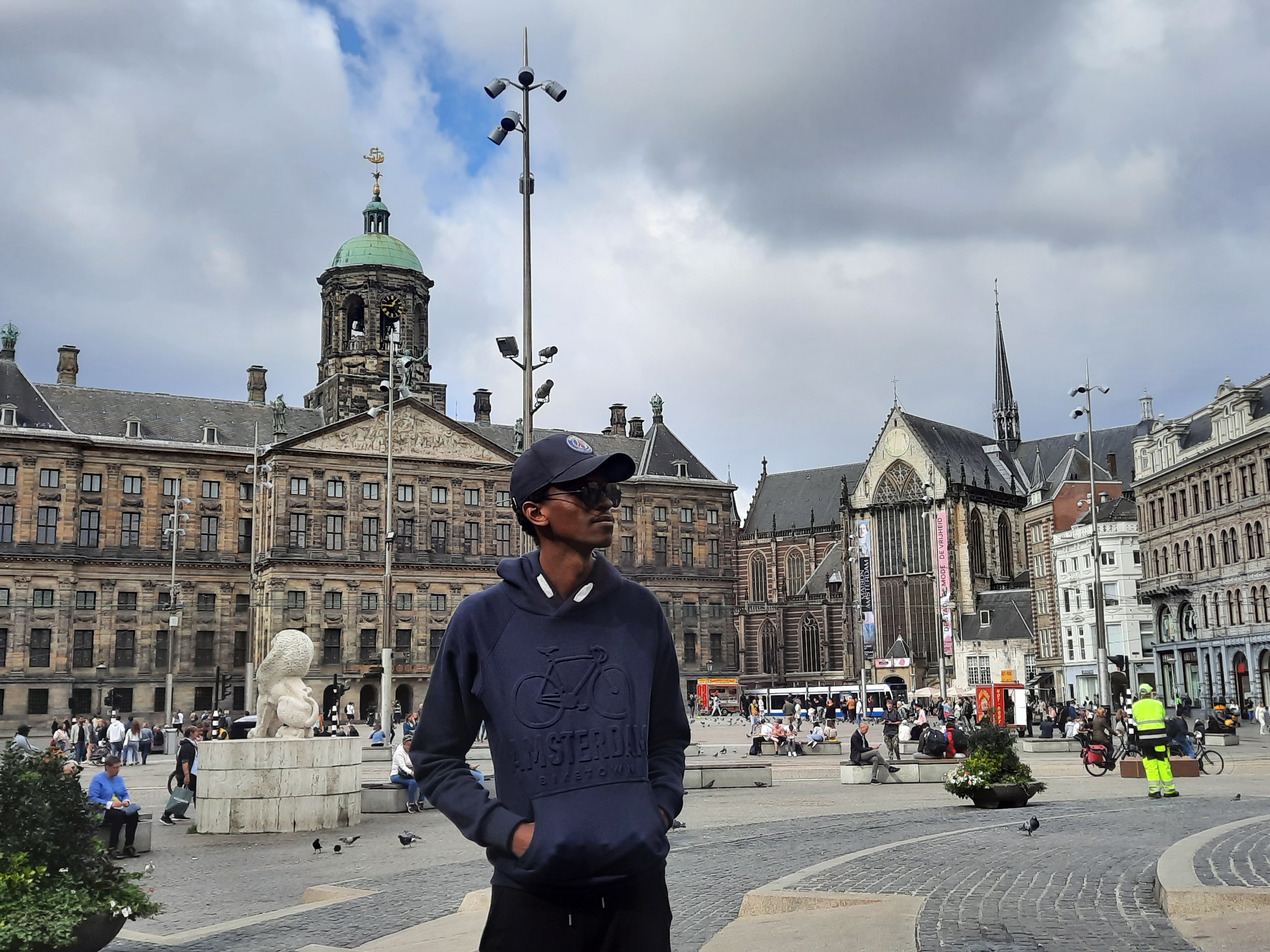
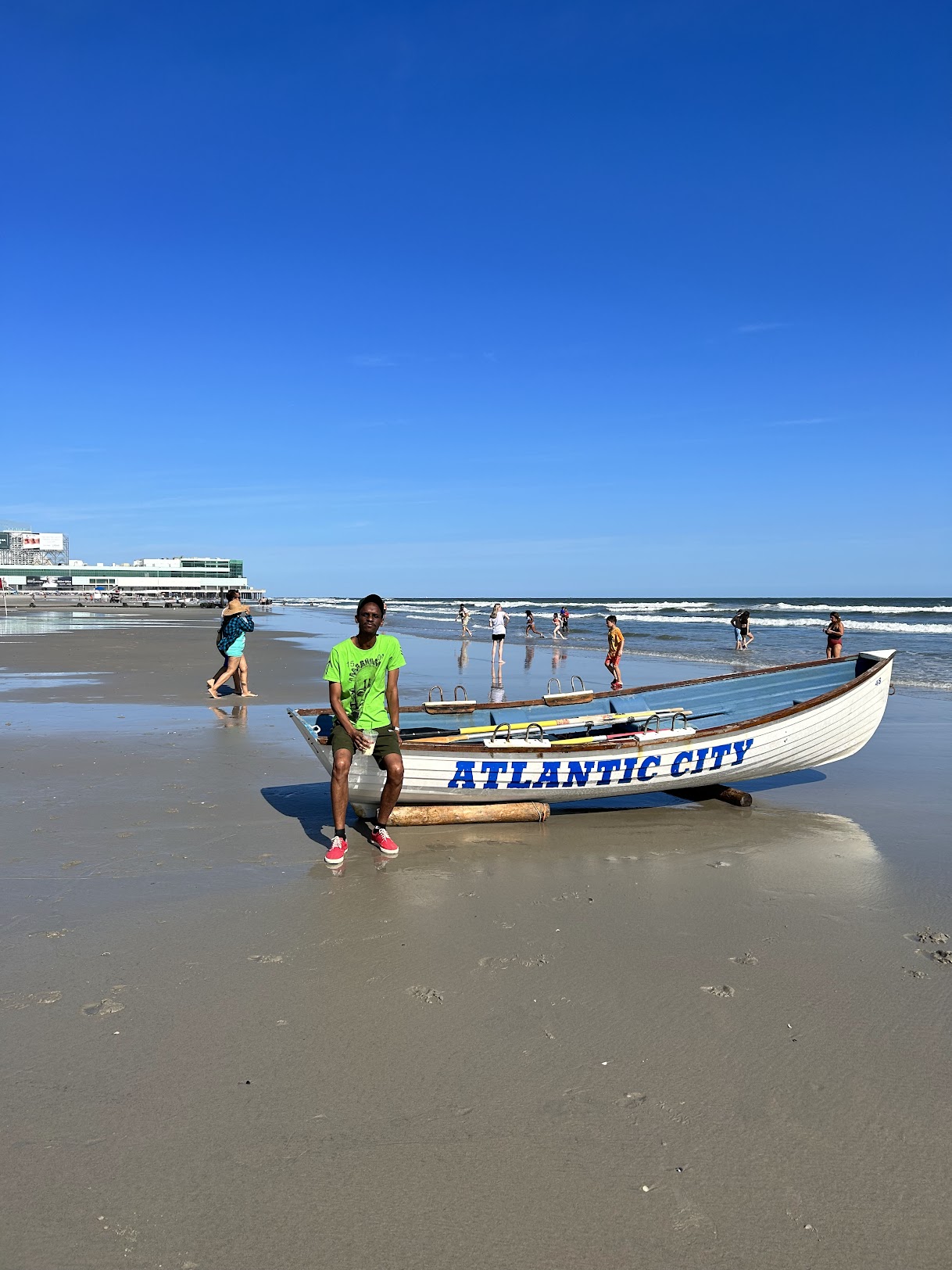
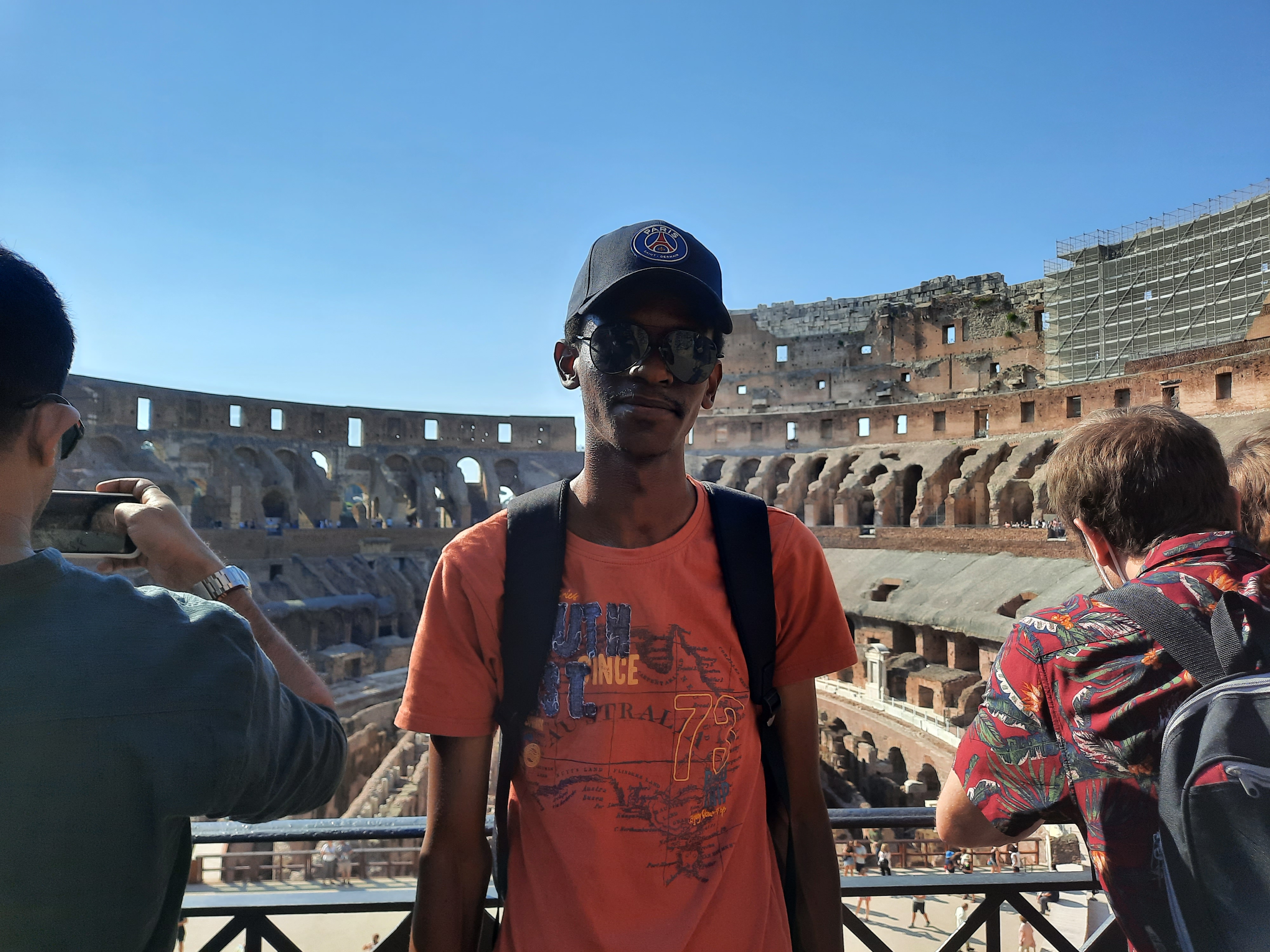
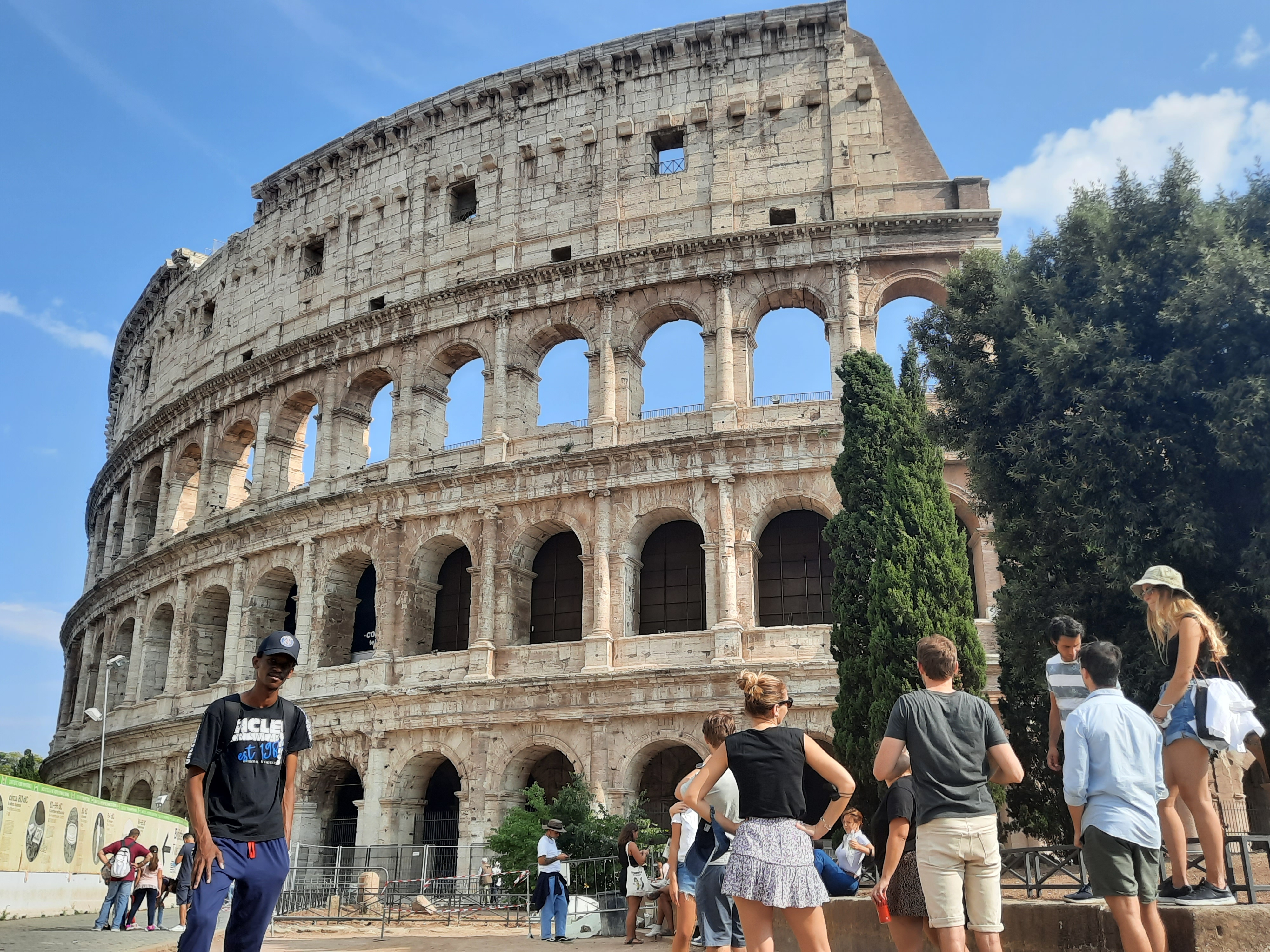
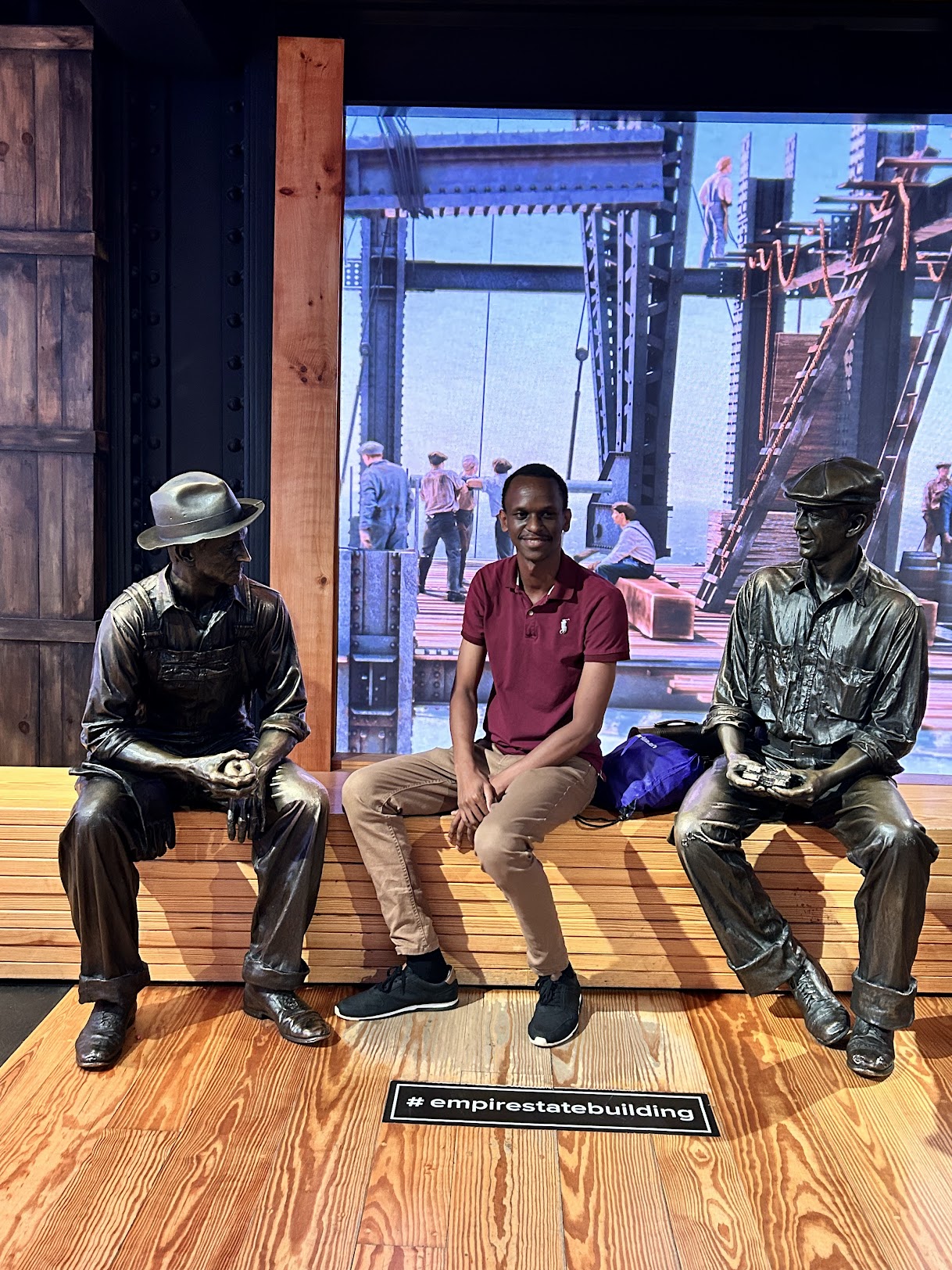
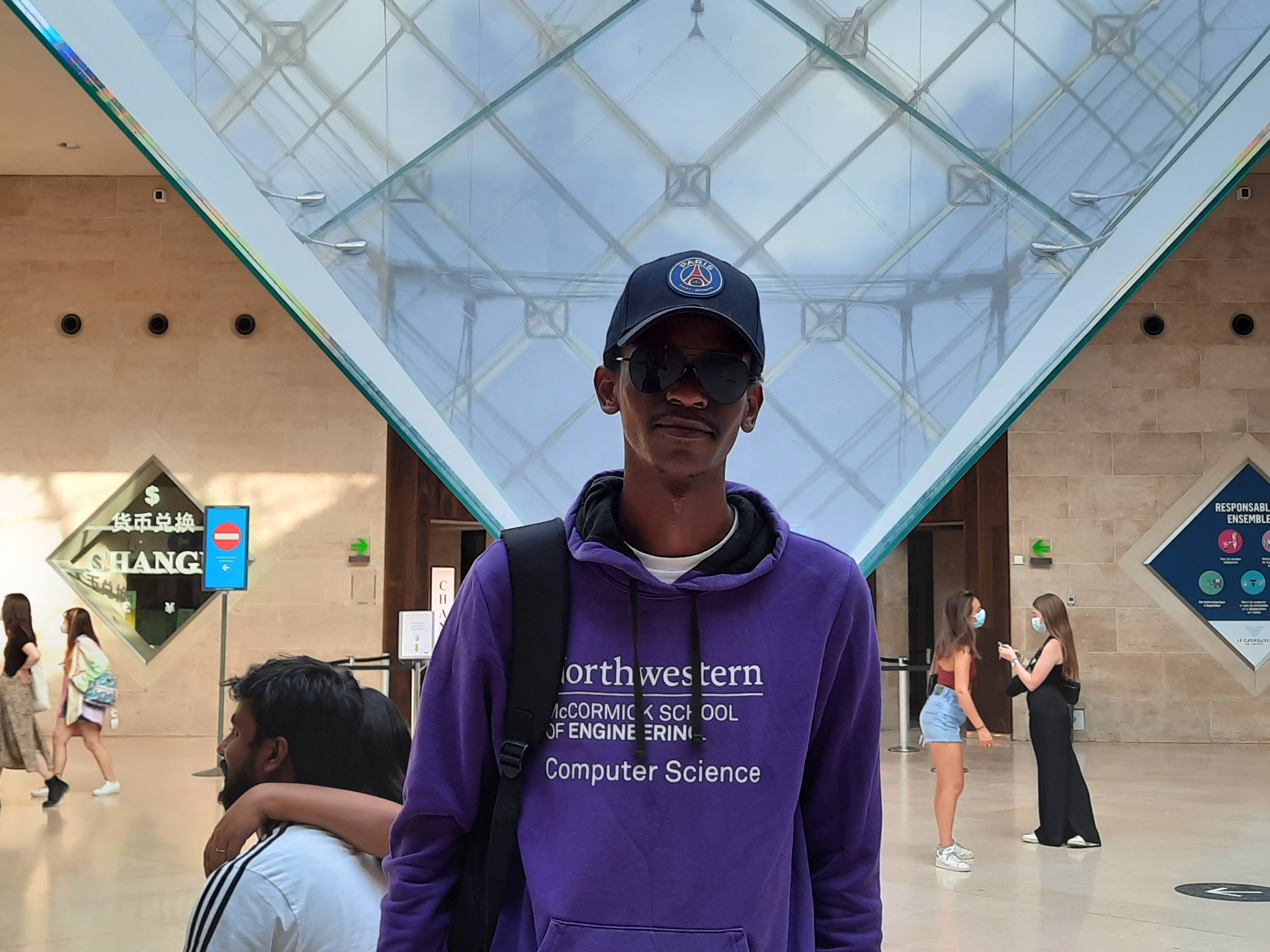
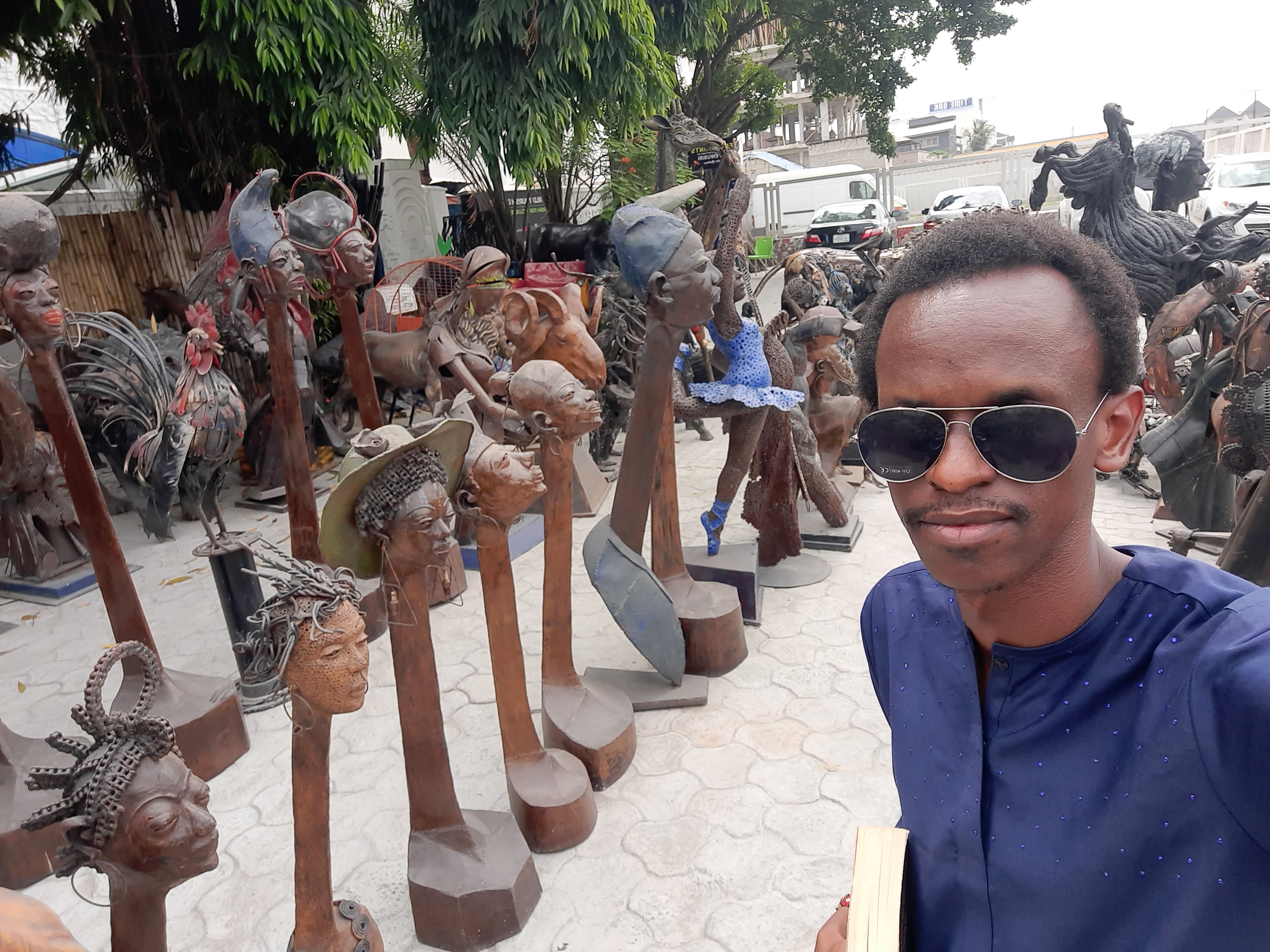
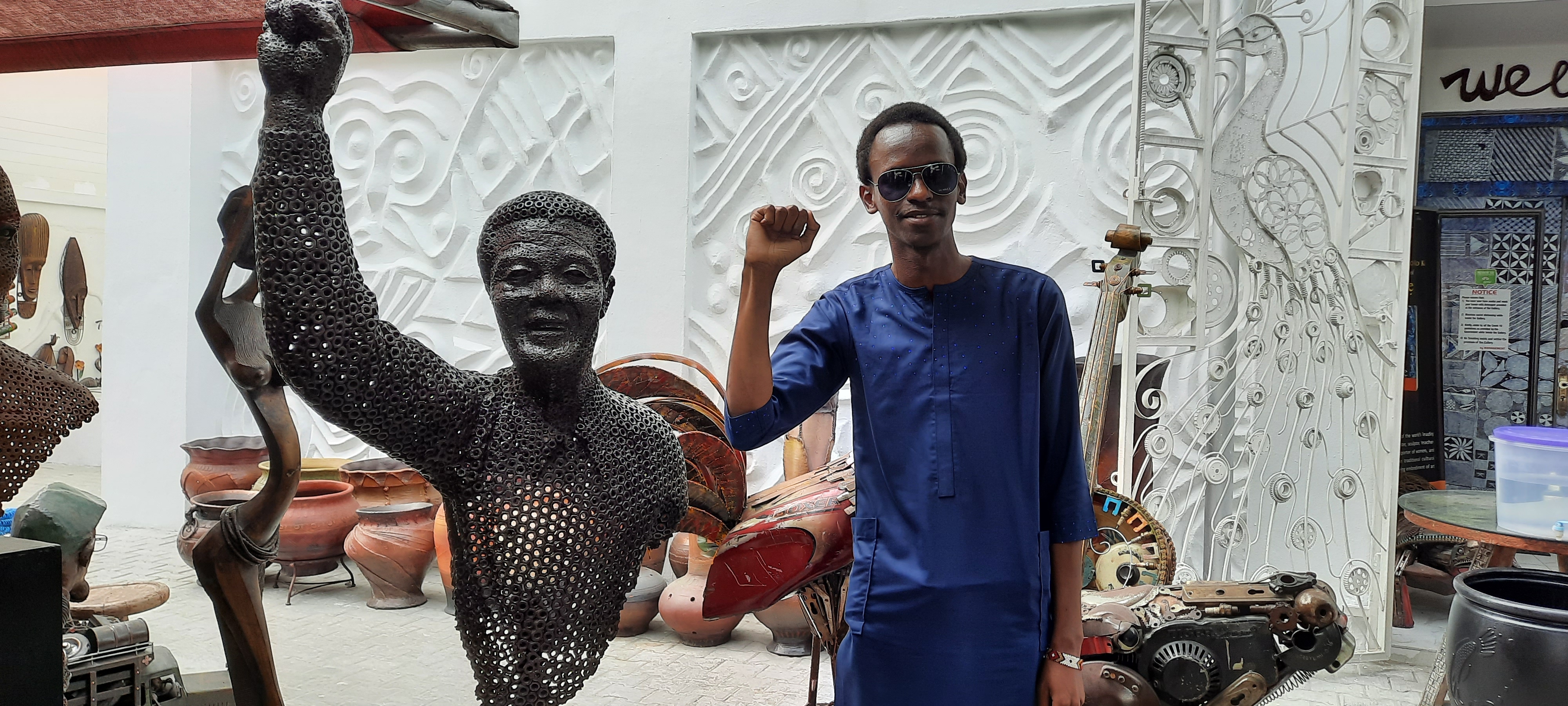
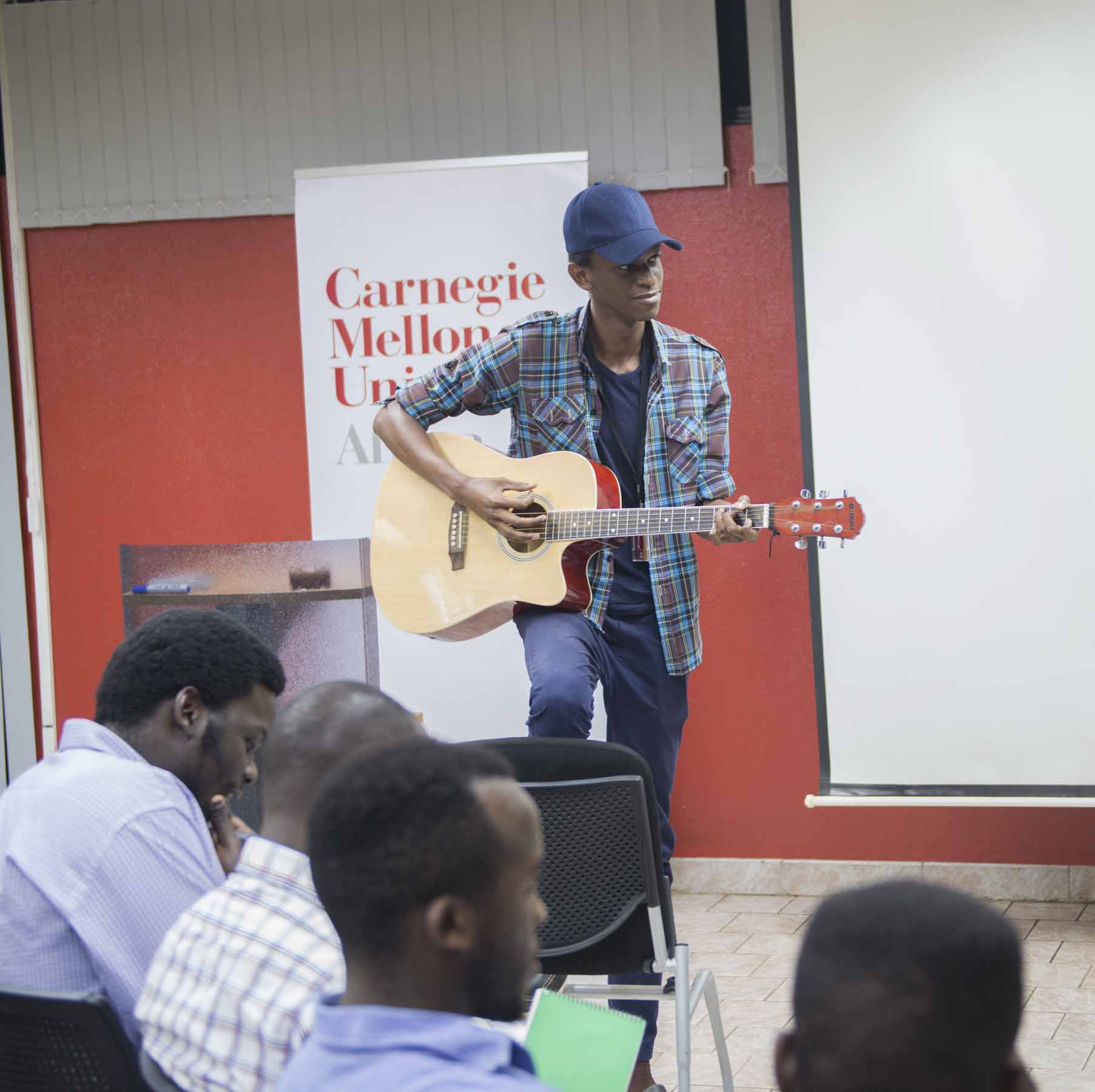
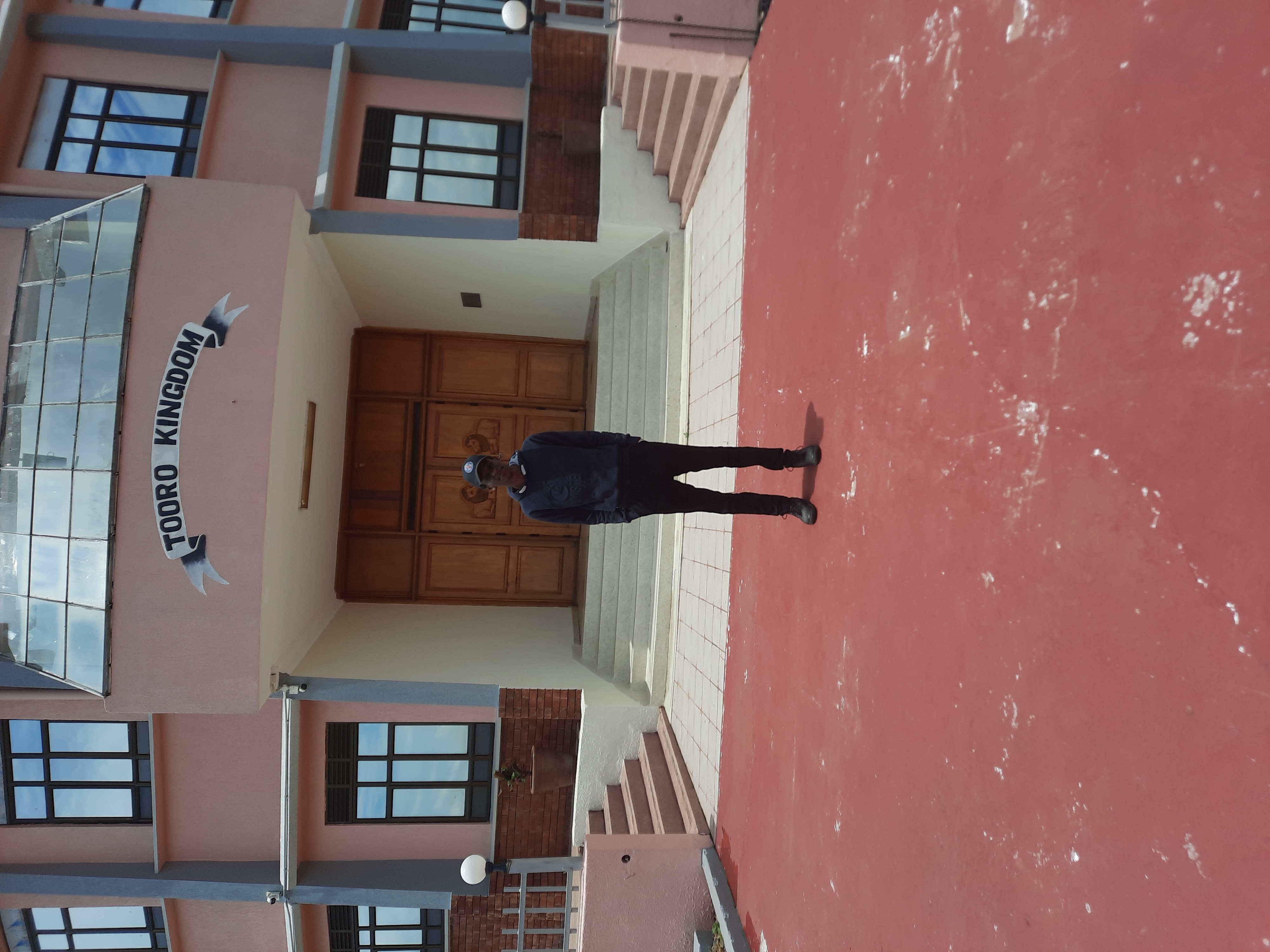
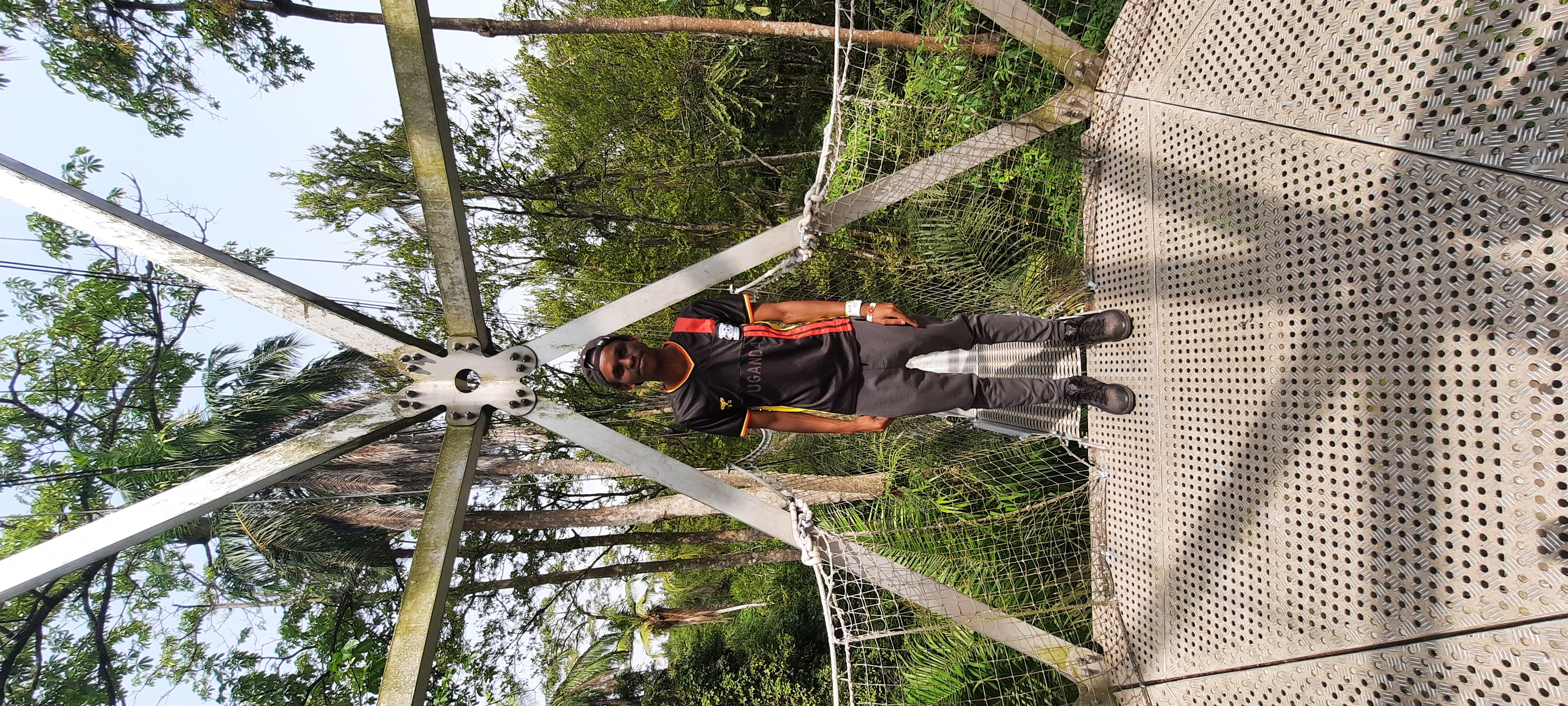
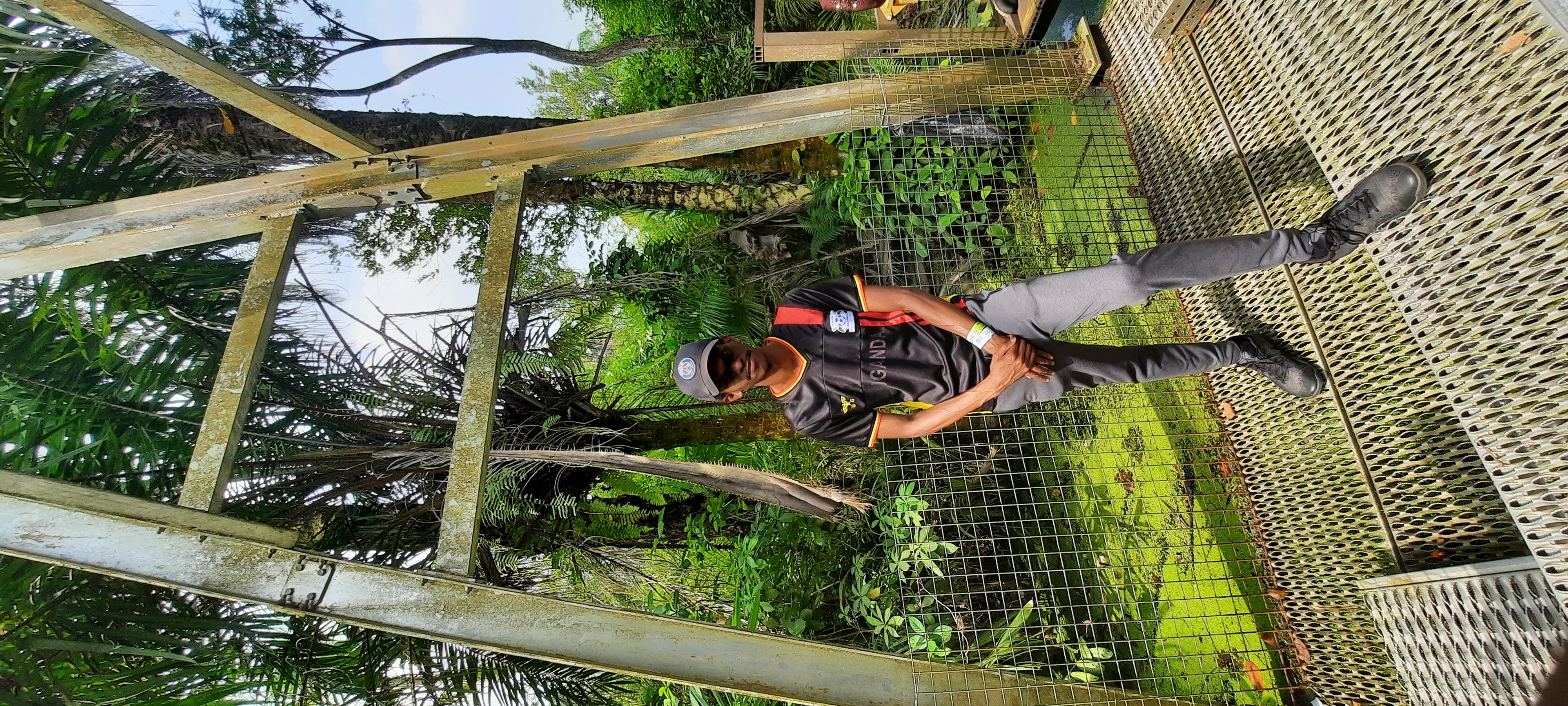
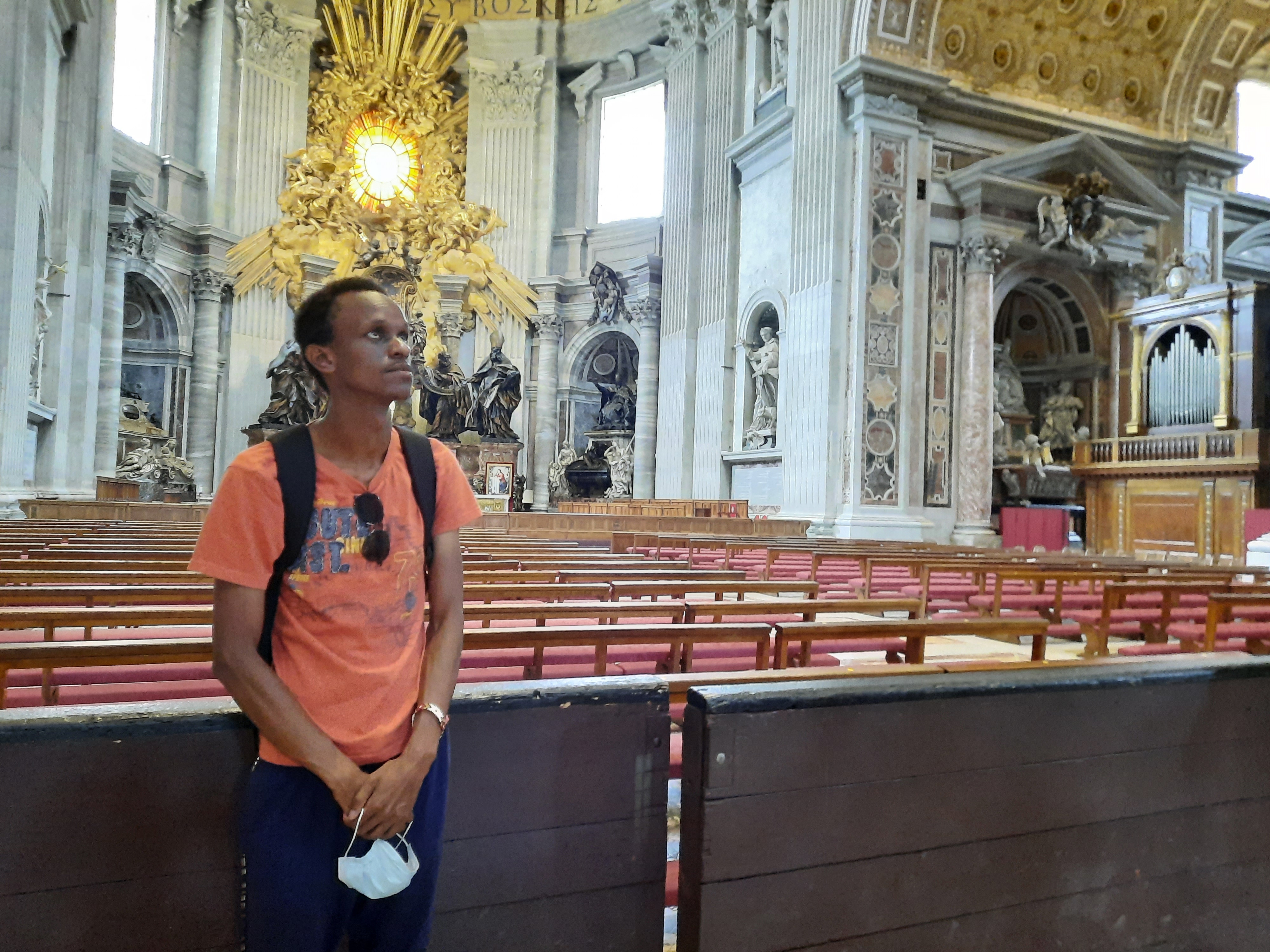
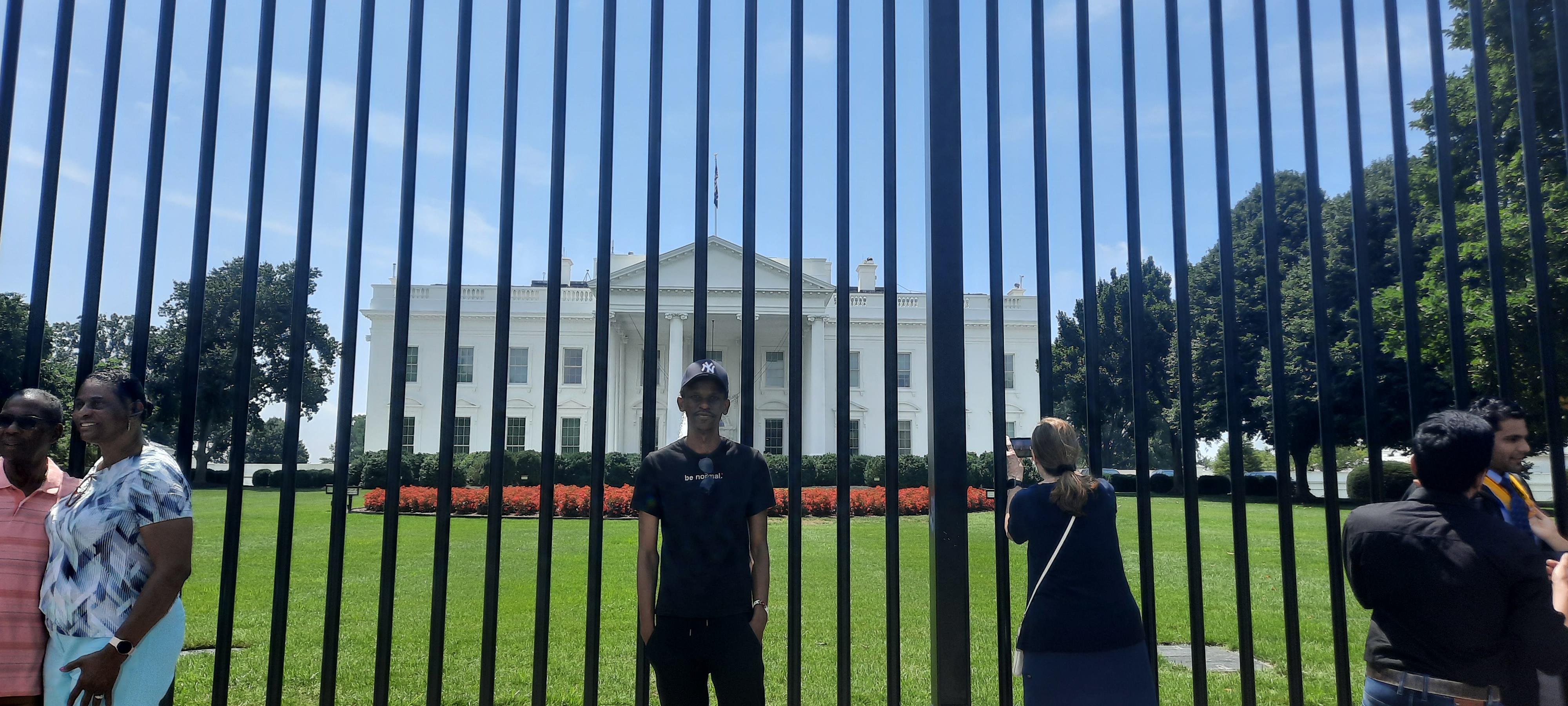
Hi, I’m Joel Mugyenyi, a traveler, gamer, guitarist, and lifelong observer of art, people, places, and the stories they carry. I enjoy learning about new cultures, walking through historic streets, and hiking through nature.
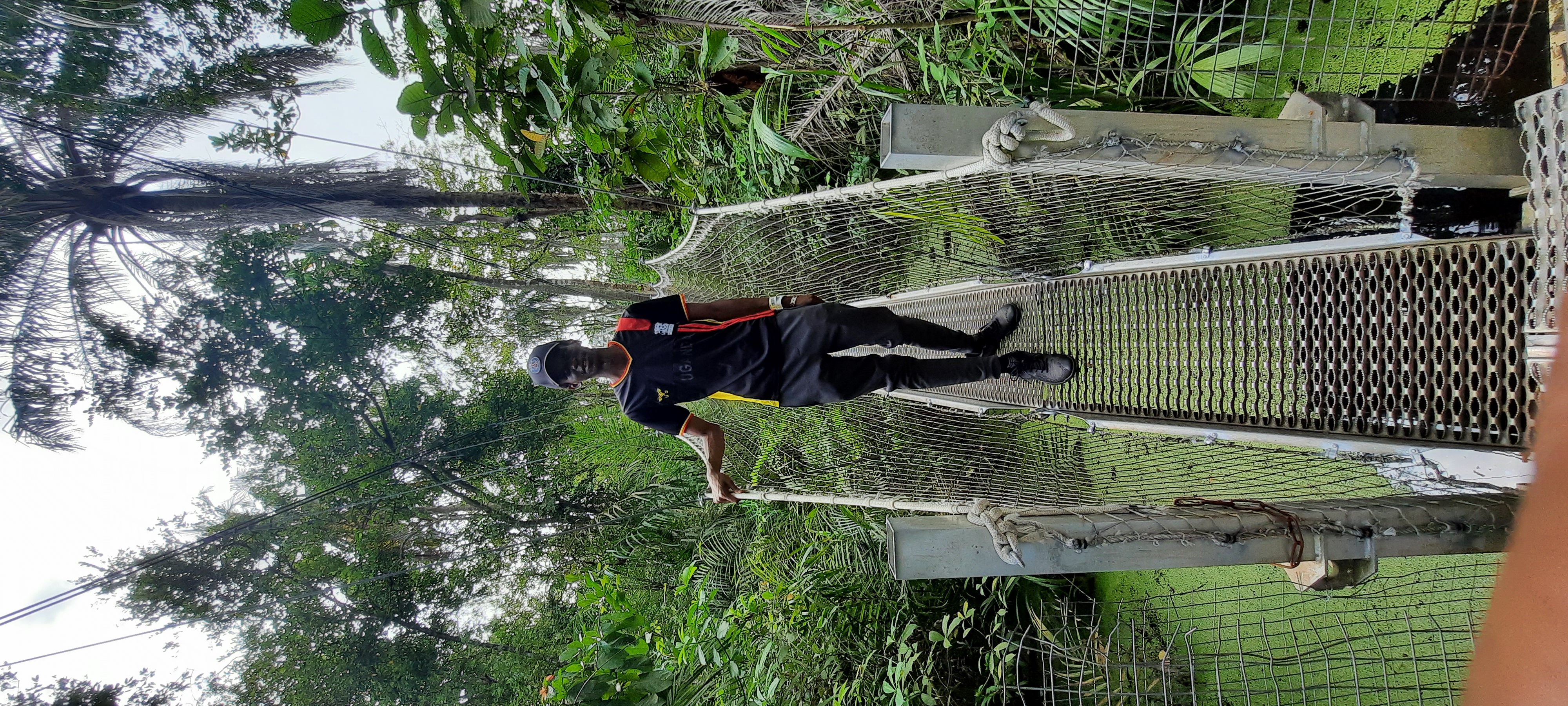
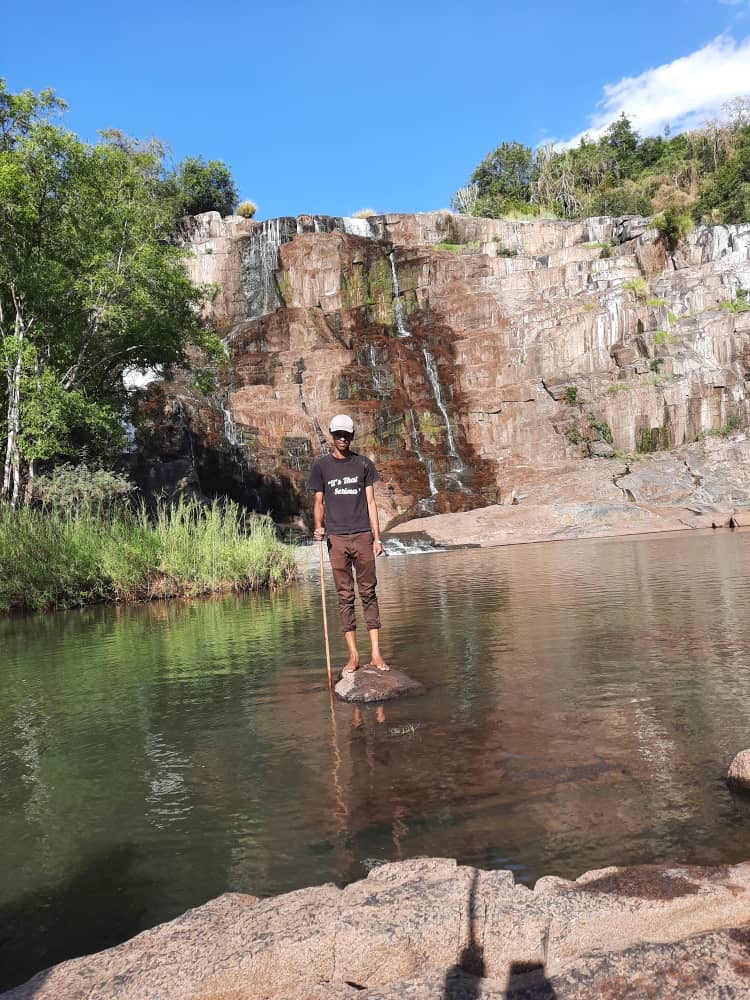
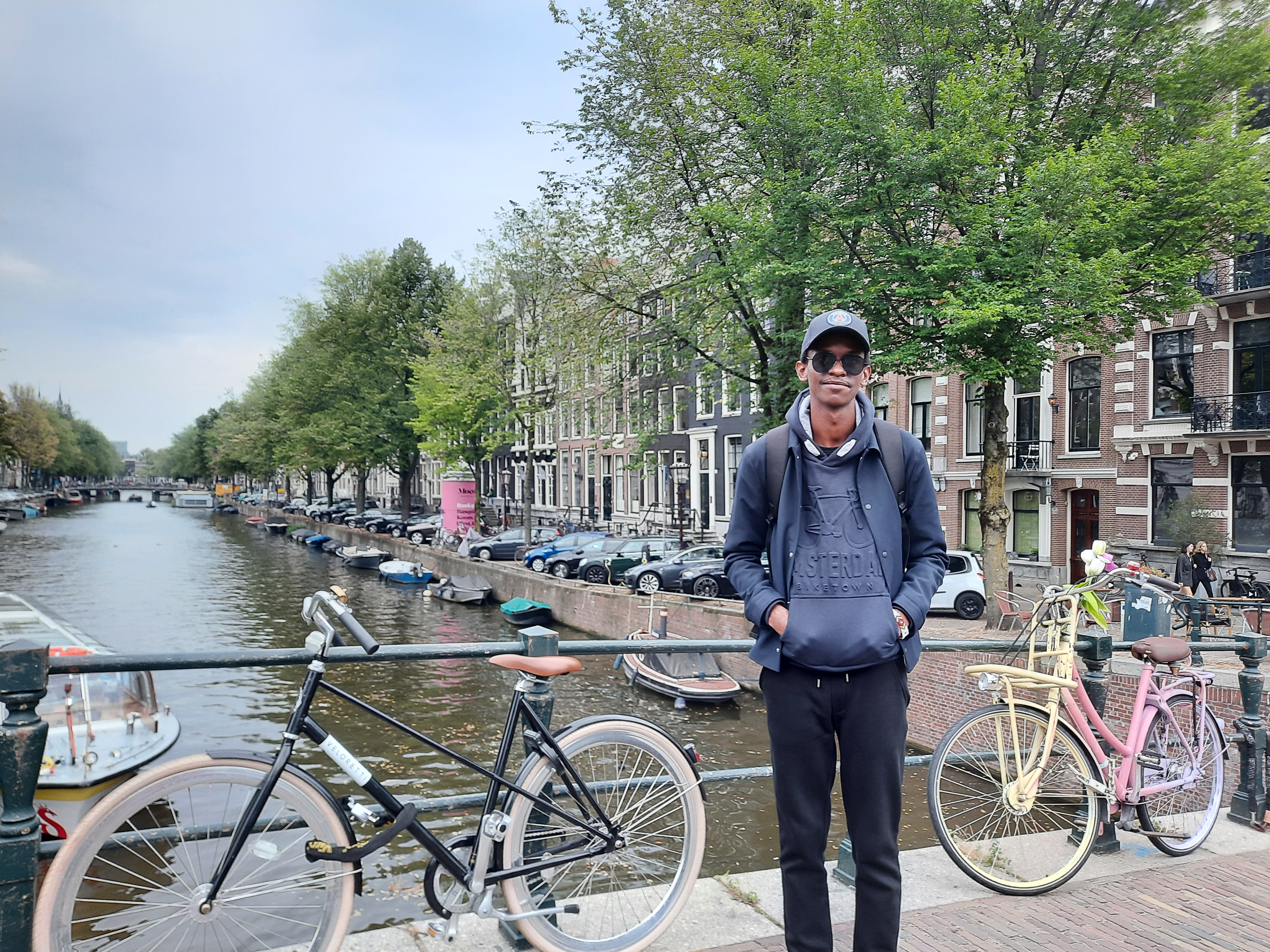
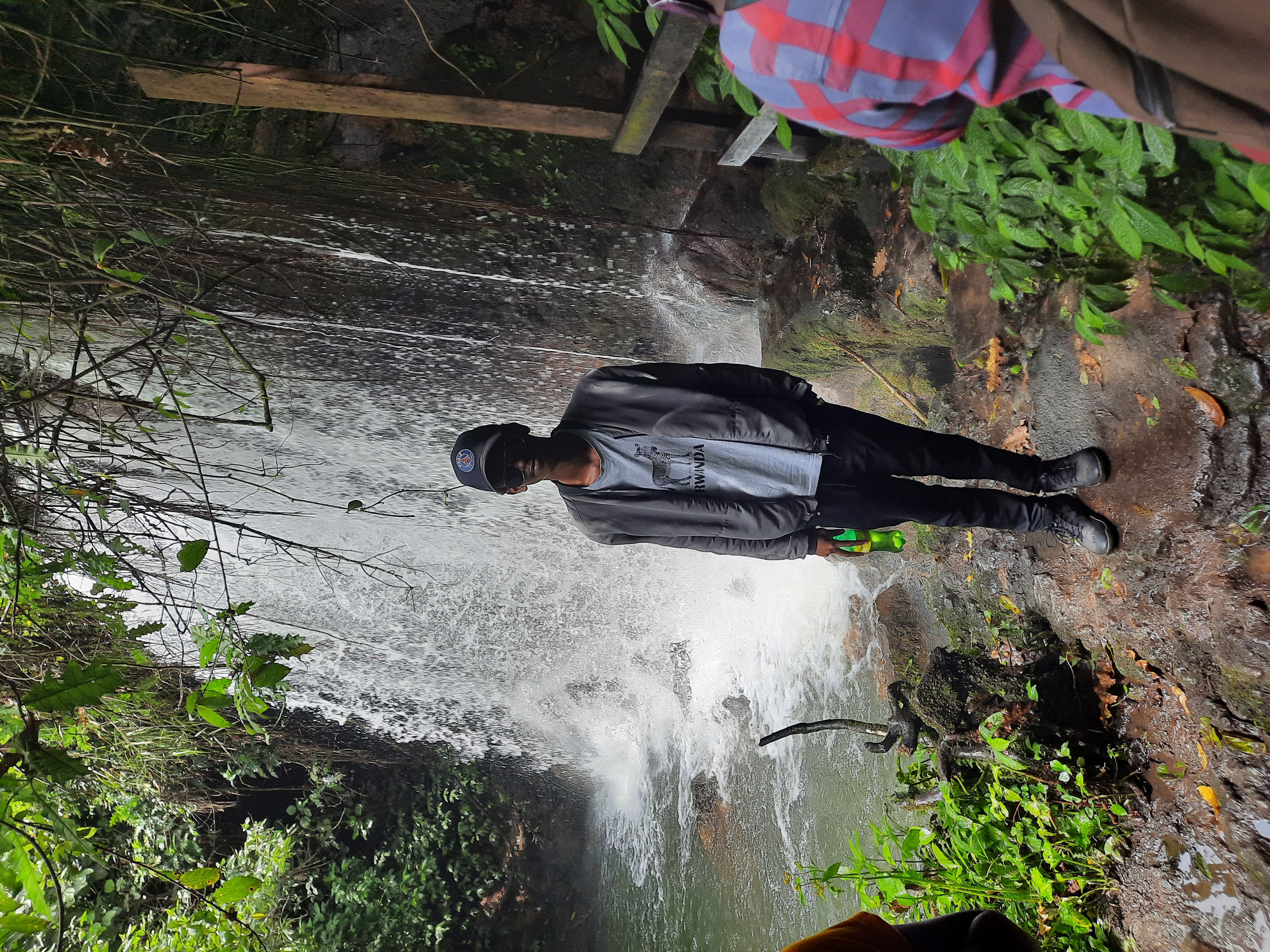
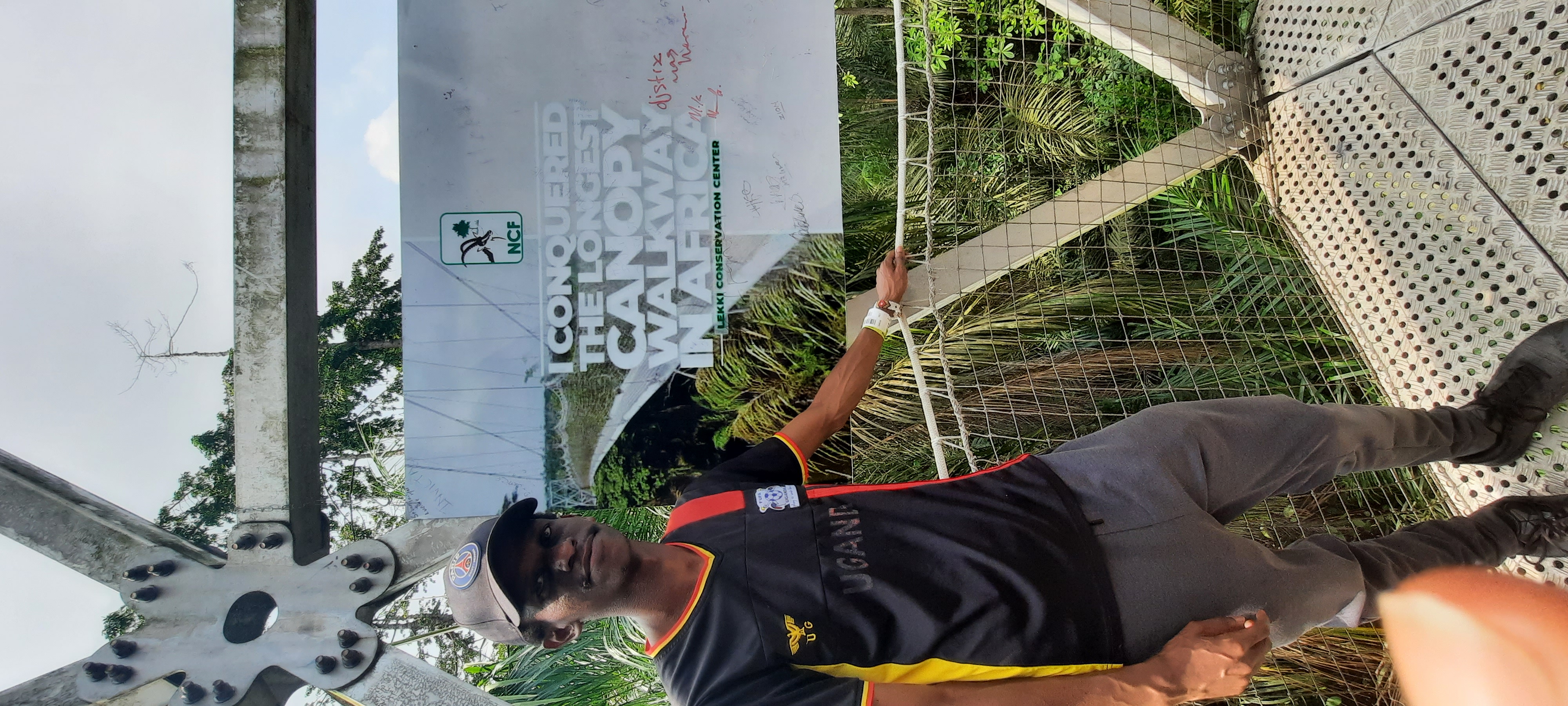
My travels have led me from the cliffs of the Grand Canyon to the canals of Amsterdam, the fountains of Rome, the bright nights of Las Vegas, and the windy coastline of the Golden Gate. I have stood beneath waterfalls in Uganda and wandered through tropical gardens in Lagos.
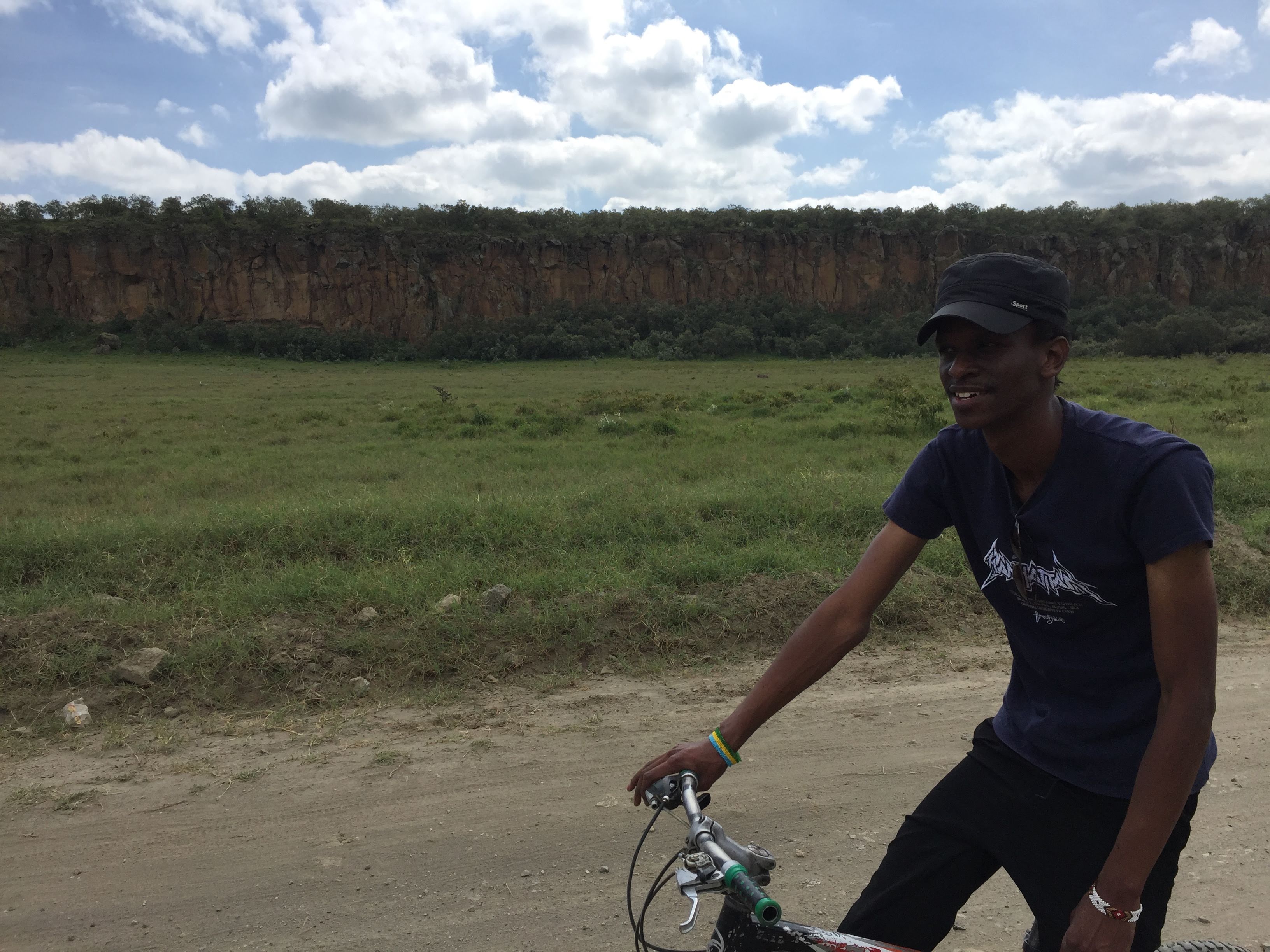
Outside of travel, I enjoy music with an eclectic taste spanning soul, rock, afrobeat, hip hop, and rhythm and blues. I also enjoy cycling, keeping up with the news, and listening to history podcasts.
Also, I really love hats. If you’re ever thinking of a gift, a good hat will never miss 🙂
function openLightbox(src) { document.getElementById("lightbox-img").src = src; document.getElementById("lightbox").style.display = "flex"; } function closeLightbox() { document.getElementById("lightbox").style.display = "none"; }

Contact

Thank you for visiting my website. If you’d like to connect, collaborate, or discuss my work in energy access or data-driven sustainability solutions, feel free to reach out.

Thank you — your message has been sent.
const params = new URLSearchParams(window.location.search); if (params.get("sent") === "1") { document.getElementById("form-success").style.display = "block"; document.querySelector(".contact-form").style.display = "none"; }

Thank you

Your message has been sent successfully. I appreciate you reaching out and will get back to you as soon as possible.